Deck Design Trends for 2026: Create a Stylish and Functional Outdoor Retreat
Deck design trends for 2026 reflect a shift towards creating stylish yet functional outdoor spaces. Eco-friendly materials, creative layouts, and intelligent technology are leading the way. Residents look to improve their outdoor enjoyment while focusing on sustainability. Versatile furniture and well-defined areas are growing increasingly important. When these components align, further investigation uncovers ways to convert any deck into a private sanctuary. What critical components should be considered to achieve the ultimate deck experience?
Leading Sustainable Materials for Environmentally Friendly Deck Design
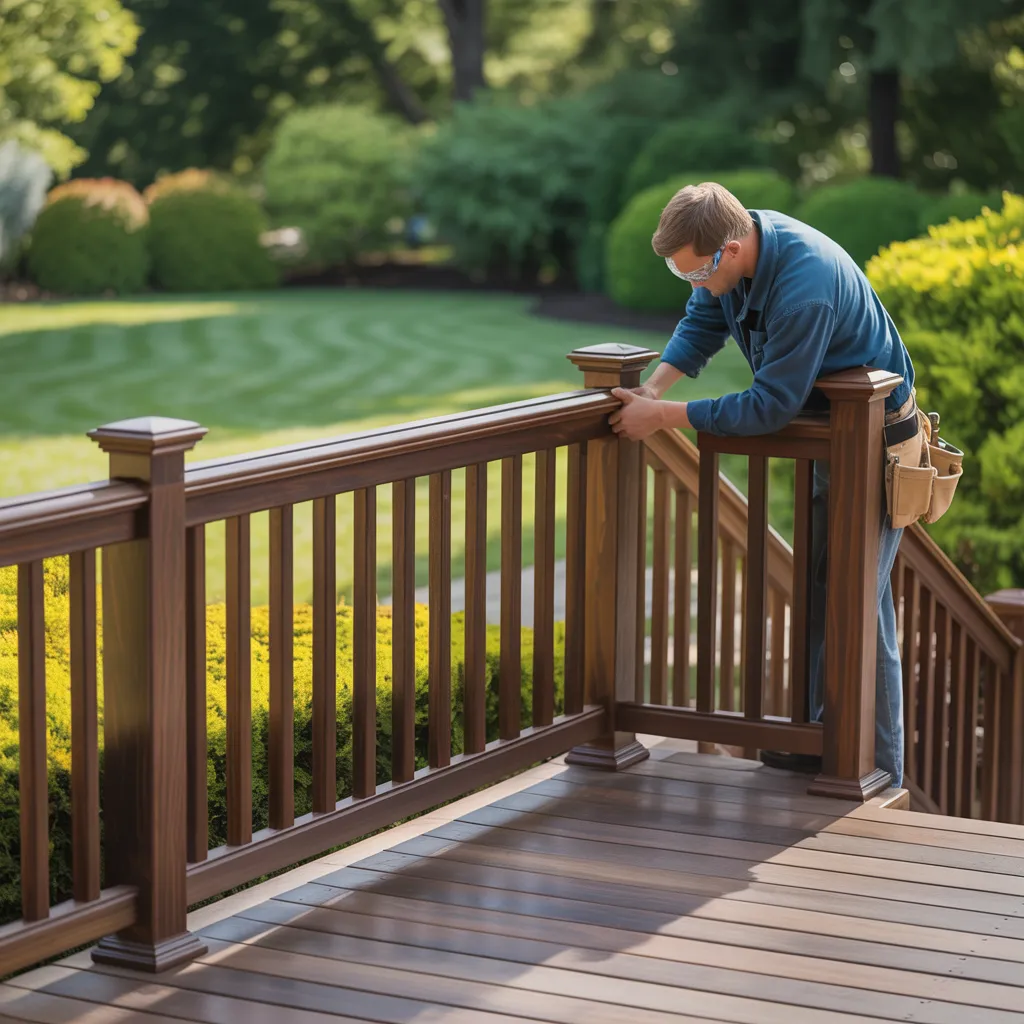
As more homeowners focus on environmental responsibility, material selection for sustainable deck construction has become a major consideration. Recycled wood, often sourced from old buildings or shipping pallets, serves as a popular option, providing a combination of visual appeal and eco-conscious advantages. Beyond its waste-reducing qualities, this material delivers impressive longevity when handled with the right treatments.
Composite wood decking, composed of a combination of reclaimed plastics and wood materials, is another preferred material. It is virtually maintenance-free and highly resistant to decay, making it ideal for outdoor use. Bamboo wood, celebrated for its fast growth and sustainable nature, has risen as a top choice, providing a stylish alternative that is also environmentally friendly.
Additionally, eco-friendly hardwoods, including mahogany or teak, are chosen for their natural beauty and longevity. These materials reflect a emphasis on sustainable living practices, empowering homeowners to build charming outdoor retreats without harming the environment.
Unique Layouts for Outdoor Living Environments
Revolutionary arrangements are revolutionizing exterior living areas, allowing homeowners to maximize functionality while enhancing aesthetic appeal. This year, design professionals are emphasizing segmented design layouts that create separate zones for dining, lounging, and cooking. With the integration of amenities including built-in seating and fire pits, these areas encourage gatherings while retaining an airy ambiance.
Furthermore, the incorporation of mixed textures and materials produces visual intrigue and influences flow across the space. Tiered levels and curved paths are becoming increasingly popular, as they enhance the depth and dimension of exterior spaces. Moreover, incorporating natural features such as water features or vertical gardens can smoothly unite outdoor and indoor environments.
Finally, incorporating adaptable furnishings allows for flexibility, accommodating gatherings of any size. Altogether, such creative designs not only cater to functionality but also enhance the complete enjoyment of outdoor spaces, converting backyard areas into sophisticated escapes.
Color Trends to Enhance Your Deck Design
Hue selection plays a pivotal role in deck planning, affecting the ambiance and improving the general appearance. In 2026, trending color choices include natural hues, such as warm terracotta and rich olive green, which create an atmosphere of serenity and harmony with the natural world. These shades blend seamlessly with natural environments, forming a tranquil escape.
In addition, rich colors like rich burgundy and deep navy are making a statement, lending a distinguished air to deck spaces. Soft pastels, including light blues and blush pinks, continue to rise in appeal, offering a light, breezy aesthetic that transforms open-air environments.
Muted hues, like taupe and warm gray, continue to be timeless, providing a versatile backdrop for various decor styles. It is recommended that homeowners combine and blend colors, building layered visual depth. In the end, a well-chosen color palette not only elevates the deck's design but also expresses individual style, rendering outdoor spaces more appealing and comfortable.
Picking Multipurpose Furniture for Your Outdoor Space
Optimizing space on a deck demands a deliberate approach to selecting versatile furniture pieces that naturally merges aesthetics and function. Opting for items with dual functionality can improve both usability and comfort. For example, storage benches offer seating alongside convenient space for storing cushions or gardening tools. Collapsible tables provide the flexibility to reconfigure the space for dining or social events, allowing for effortless shifts between gatherings.
In addition, ottomans that serve as side tables can boost flexibility, delivering additional seating when required. Configurable seating arrangements permit users to adjust their layouts based on the situation, fostering a versatile outdoor environment. Incorporating these adaptable elements not only optimizes space but also elevates the overall aesthetic of the deck. By strategically selecting versatile furniture, homeowners can design an attractive outdoor retreat that accommodates various activities and enriches their lifestyle.
Creative Lighting Solutions to Illuminate Your Deck
In what ways can homeowners convert their decks into captivating after-dark spaces? Thoughtful lighting choices serve a key purpose in defining the atmosphere and boosting the appeal of outdoor sanctuaries. Decorative string lights, tastefully strung above, deliver a cozy and charming illumination ideal for entertaining or relaxing outdoors. Additionally, solar-powered lanterns and path lights offer eco-friendly options that illuminate walkways without the need for wiring.
Installing LED strips beneath railings or along staircases can produce a sleek appearance while ensuring safe passage. For a greater visual effect, wall sconces or pendant lights can be positioned to accentuate design elements. Torches or fire pits not only deliver light but also comfortable warmth, encouraging alfresco relaxation even on chilly evenings. By thoughtfully blending these illumination features, residents can create a captivating atmosphere that invites socializing and relaxation, making their deck areas a seamless extension of their indoor living environment.
Outdoor Kitchens: Redefining Culinary Enjoyment Outdoors
Outdoor cooking areas are converting backyards into gourmet sanctuaries, blending practicality with aesthetic appeal. Key considerations include essential appliances that enhance cooking capabilities, well-conceived layout designs that make the most of the area, and durable materials suited for outdoor conditions. These elements work together to create an inviting environment for both cooking and entertaining.
Core Kitchen Appliances Review
As homeowners increasingly embrace open-air lifestyles, the significance of essential kitchen appliances in open-air environments has never been more evident. These fixtures turn outdoor areas into lively cooking zones, enhancing both practicality and aesthetics. Key elements include integrated grills, which provide versatile cooking capabilities and enhance flavor, and exterior refrigerators for convenient access to drinks and food items. Moreover, sink units assist with meal preparation and maintenance, while space-saving dishwashers ease post-dining tasks. Exterior pizza ovens have grown in demand, attracting food lovers. The incorporation of these appliances not only enhances the culinary experience but also fosters social interactions, positioning outdoor kitchens as a vital element of modern residential design. Investing in quality outdoor appliances guarantees lasting enjoyment and convenience.
Design Layout Considerations
A well-thought-out design layout is critical for optimizing the usability and pleasure of open-air kitchen spaces. A thoughtfully arranged space addresses important factors including movement, convenience, and recreation. An optimal arrangement creates a triangular flow among the grilling section, food prep space, and seating area, facilitating seamless movement. Including sufficient work surfaces and storage areas improves functionality, enabling cooks to prepare and present dishes effortlessly. Furthermore, placing seating near the cooking area fosters conversation, creating a more festive atmosphere for guests. Planning for overhead shelter and climate protection is essential, keeping the space functional across different weather situations. In summary, careful planning cultivates a welcoming environment, converting exterior areas into culinary retreats suited for both dining and entertaining.
Open-Air Cooking Resources
Selecting the right materials for exterior culinary areas make a move heavily affects both practicality and visual appeal. Resilient choices like stone and stainless steel are popular for their resistance to the elements. Appliances made from stainless steel not only deliver a sleek, modern look but also promise durability and simple upkeep. Natural stone surfaces, such as granite or slate, provide a durable and elegant surface for cooking areas and countertops. Moreover, composite materials can enhance visual appeal while withstanding wear and discoloration. Incorporating heat-resistant wood for cabinetry or accents brings warmth and personality, balancing functionality with design. At the end of the day, the perfect mix of materials cultivates an appealing setting, assuring exterior culinary spaces act as both gathering places and culinary centers.
Innovative Technology for Improving Your Deck Design
Integrating smart technology into deck design elevates outdoor living experiences by providing convenience and improved functionality. More homeowners are integrating features including smart lighting, which can be controlled via apps or voice commands, allowing for customizable ambiance. Automated shades and awnings deliver shade on demand, making decks more comfortable during hot days.
Smart speakers and outdoor sound systems enhance the atmosphere for entertaining, while weather-resistant Wi-Fi boosters guarantee seamless connectivity for streaming and social media updates. Furthermore, intelligent outdoor heating units can establish a warm and comfortable setting, allowing the deck to remain functional during colder seasons.
For surveillance purposes, smart cameras and motion-detecting devices can be implemented to monitor the space. Overall, these cutting-edge developments not only improve the aesthetic of exterior spaces but also greatly enhance the user experience, making deck areas more functional and satisfying for various activities.
Personal Touches to Make Your Deck Unique
In 2026, property owners are enthusiastically incorporating individualized touches to enhance their decks. Customized lighting solutions can set a welcoming mood while one-of-a-kind furniture options enable personal expression and relaxation. These distinctive enhancements not only elevate the aesthetic but also foster a sense of individuality in exterior living areas.
Personalized Lighting Solutions
Tailored lighting options can transform a deck into an enchanting evening retreat. By including a variety of lighting options, homeowners can establish a setting that suits their personal style and improves functionality. Strand lights provide a delightful effect, producing a warm shimmer, while built-in LED bands can outline railings or steps for protection and decorative effect. Solar energy lanterns contribute a countryside elegance, offering environmentally conscious lighting without the need for wiring. Furthermore, customizable intelligent lighting enables personalized brightness and hue adjustments, adjusting to various atmospheres or events. These well-planned lighting choices not only enhance the aesthetic beauty of the deck but also confirm it stays an inviting area for gatherings, relaxation, and enjoyment long after the sun sets.
Exceptional Furniture Picks
When choosing furniture for a deck, homeowners are able to elevate its charm and practicality through distinctive selections that reflect their personal style. Opting for unconventional materials, such as repurposed wood or industrial accents, can create a distinctive aesthetic. Colorful, patterned cushions and throws add a vibrant touch, inviting relaxation and conversation. Multi-functional pieces, such as seating with hidden storage or compact tables, optimize the area without sacrificing elegance. Including artisan or locally crafted elements can further personalize the deck, showcasing individual taste. Furthermore, modular furniture allows for flexibility, supporting different events and uses. By deliberately selecting one-of-a-kind pieces, homeowners transform their decks into inviting retreats that perfectly balance functionality and style, making outdoor spaces truly their own.
Frequently Asked Questions
What Maintenance Is Required for Different Deck Materials?
Each deck material type requires its own maintenance approach. Wood requires frequent sealing and staining treatments, composite needs occasional cleaning, while aluminum and PVC require minimal upkeep, usually needing nothing more than soap and water to keep them looking and functioning well.
What Are the Best Ways to Maximize Small Outdoor Spaces?
To make the most of limited outdoor environments, you can integrate vertical gardens, multifunctional furniture, and thoughtfully placed lighting. Making good use of corner spaces and selecting brighter color tones also enhances the sense of openness, creating a more inviting atmosphere.
Are There Regulations for Deck Construction?
Yes, there are regulations for deck construction. These commonly consist of building codes, zoning laws, and location-specific permits. Adhering to these requirements ensures the safety, structural integrity, and alignment with community standards for outdoor structures.
Which Plants Are Best Suited for Deck Landscaping?
When it comes to deck landscaping, ornamental grasses, perennial blooms, and compact shrubs stand out as top selections. These plant varieties boost visual appeal, offer structural definition, and flourish in container environments, producing a lively and welcoming outdoor space.
How Do I Maintain Safety on My Deck?
To maintain a safe deck environment, one should conduct regular inspections for loose boards, keep railings secure and sturdy, use non-slip materials, ensure sufficient lighting is in place, and verify the structural integrity of the deck to minimize risks and create a secure and enjoyable outdoor area.